c. 1808–1811
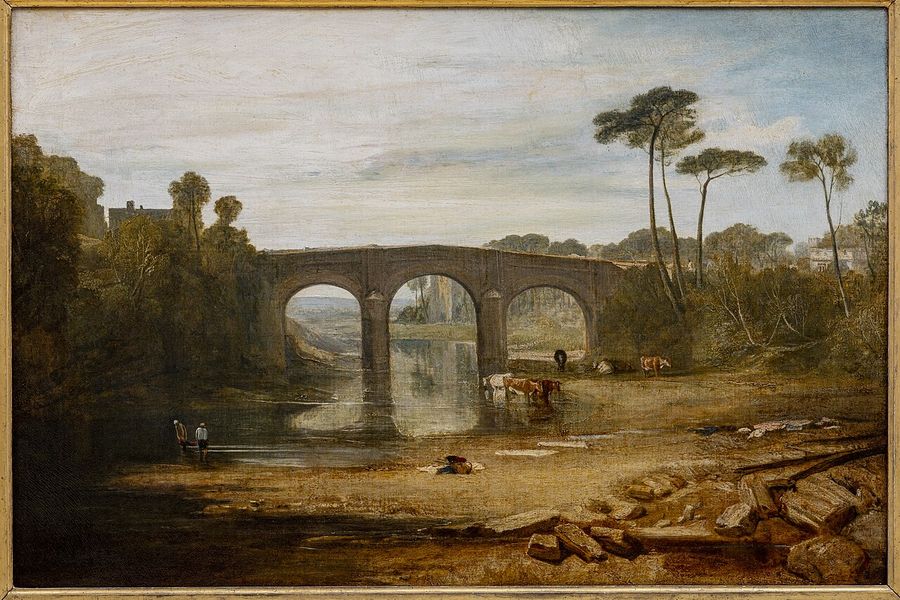
J. M. W. Turner Whalley Bridge and Abbey
Two sketches and an oil, two published readings of how Turner built the atmosphere, and a Nephos reading that depends on both. None establishes a single cause.
Date unknown
Give Nephos a painting with a place and a date. It gathers the weather records, newspapers and letters of that time and shows, source by source, what they confirm and what they cannot tell you.
Paris-Montsouris, lowest reading
−23.9 °C
10 December 1879, still the station’s record
the ice goes out,
2–3 January
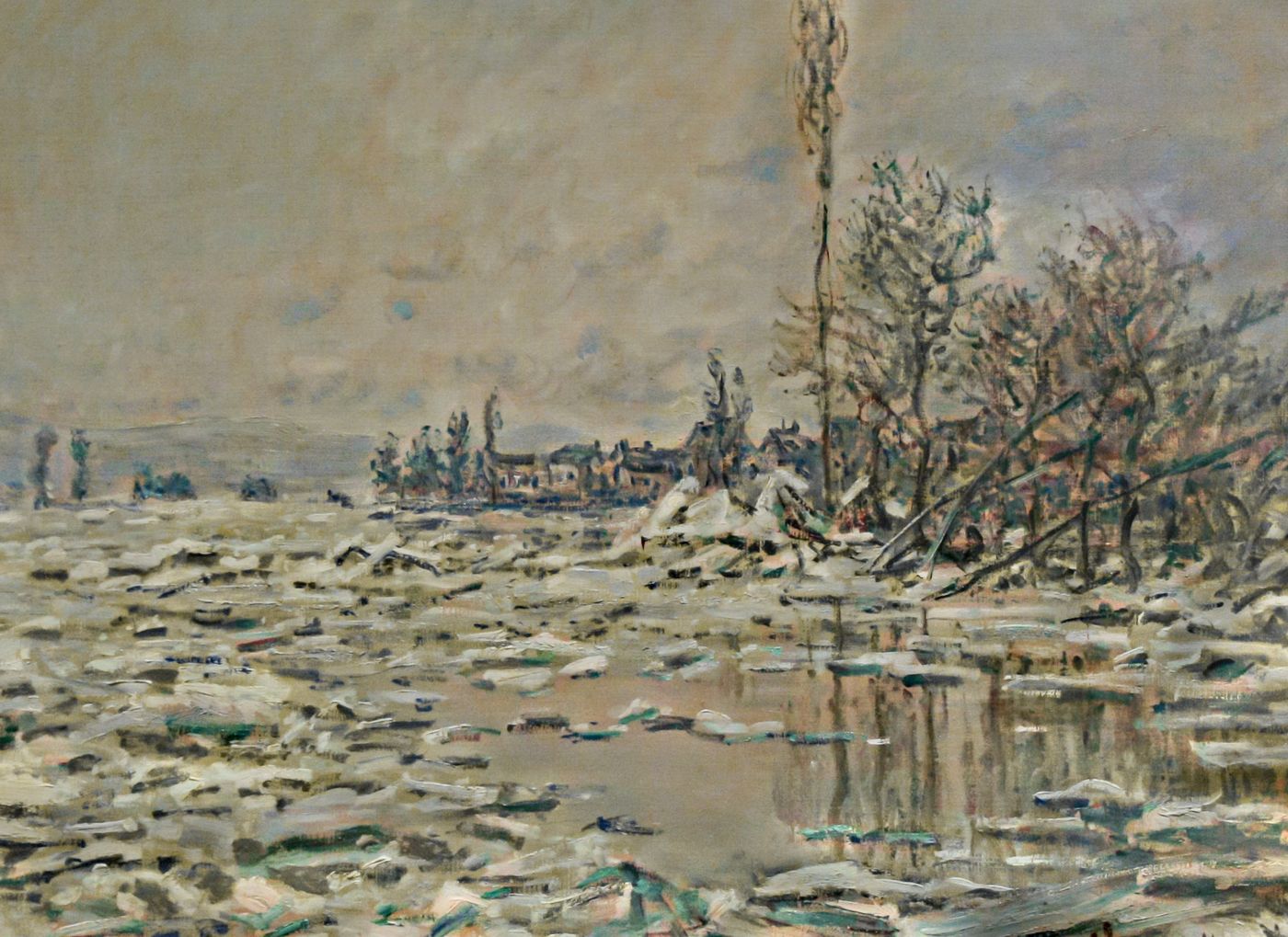
The museum dates Monet’s Seine breaking up at Vétheuil to January 1880. The month before was the coldest December in the Paris record, and two newspapers dated the break-up to 2 and 3 January.
Four steps, the same for every study. Constable’s cloud study of 21 September 1822 runs through them here.
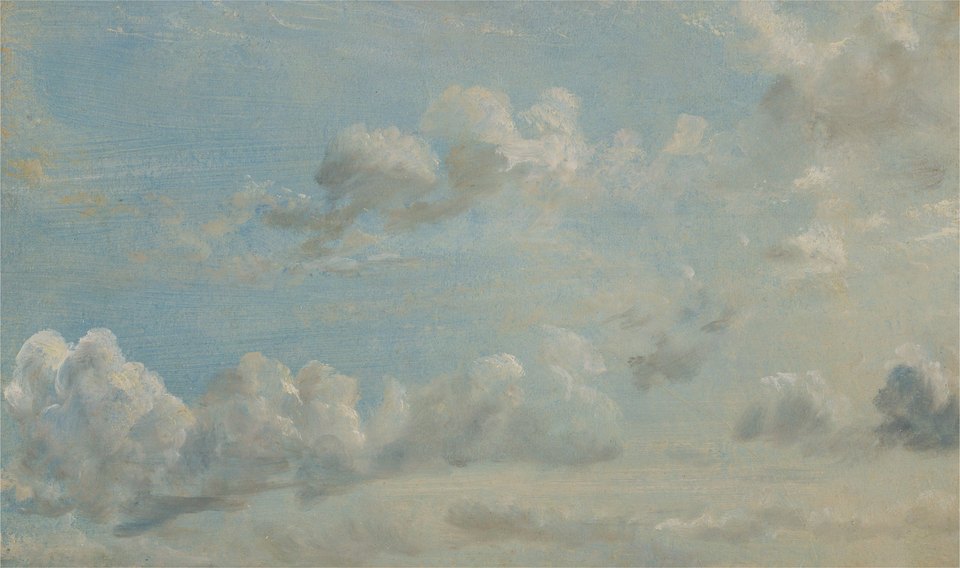
“Sepbr 21. 1822. ½ p’st one o clock.”
A museum record or the artist’s own note gives a place and a date. Without one, there is nothing to check.
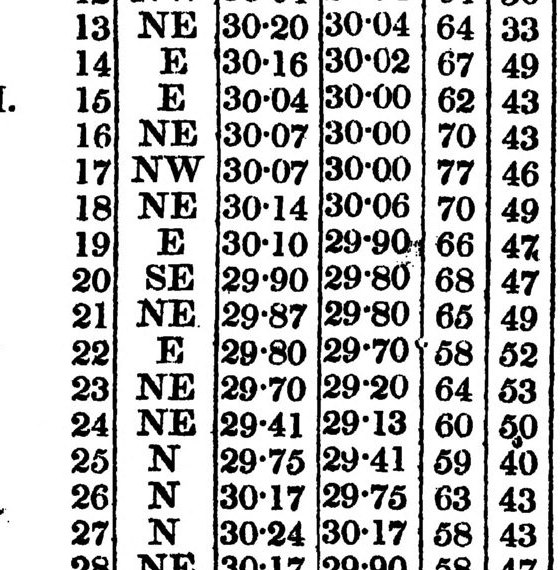 Howard’s notes
Weather registers, station thermometers, newspapers, letters, weather maps and modern reconstructions, each kept with its page, place and distance.
| The note says | Howard | Model |
|---|---|---|
| wind East | NE | ENE |
| warm | 65 / 49 °F | 14.0 °C |
| ½ past one | cannot say | cannot say |
Each phrase of the note is a separate claim. A near value is not a match, and two notes by one hand are not two witnesses.
One of four labels per claim, never a score. No claim has yet earned “Agrees”; most verdicts are “Partially agrees” or “Unknown”.
Study · Claude Monet, January 1880
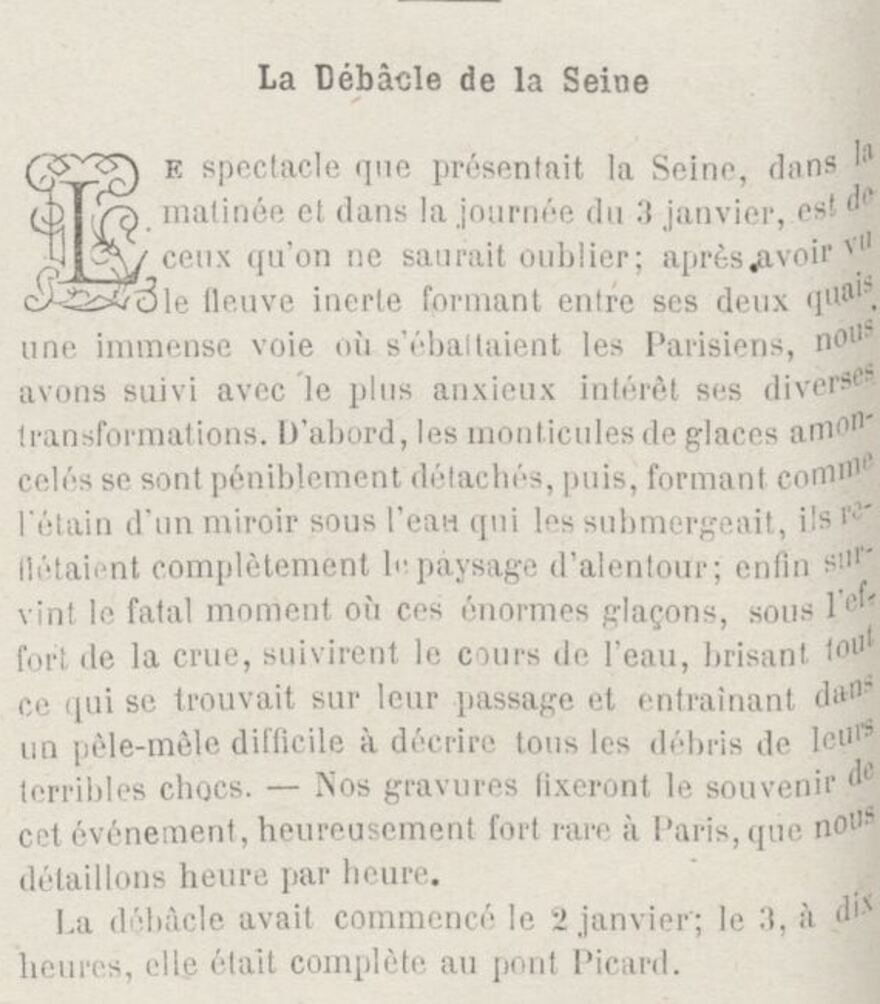
The Gulbenkian places this thaw at Vétheuil in January 1880; the Thyssen notes that the Seine had frozen in the winter of 1879. Le Monde illustré reported that the ice began to break on 2 January and that by 3 January the break-up was complete at Pont Picard. Here, broken floes crowd the river beside the trees.
According to the museum, Monet sketched these elements outdoors and later refined the painting in his studio. Other versions followed, including a canvas made entirely indoors. Five museums now hold paintings from this series, which continued after the ice had gone.
Each red point is one night’s lowest temperature at Paris-Montsouris, 60 km from Vétheuil; the pale line is each day’s highest. The ice broke up four days after the thermometer first stayed above freezing.
Point at a night to read it.
Each bar is one December’s average temperature in Paris, 1872 to 2025. December 1879, the month before this painting, sits alone at −6.6 °C. The next coldest, 1890, was −2.6 °C. Decembers now average +5.9 °C.
Point at a year to read it.
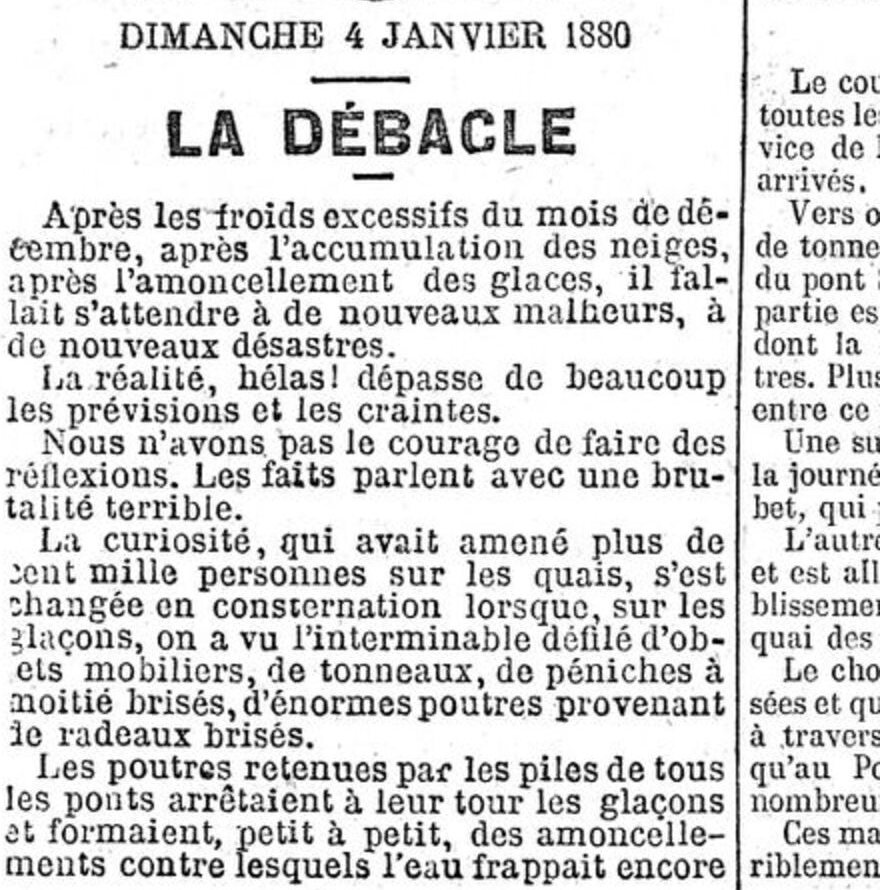
Le Petit Journal, 5 January 1880, page 1
“After December’s extreme cold, after the accumulated snow and ice, further misfortunes and disasters had to be expected. Reality, alas, far exceeds the forecasts and fears.”
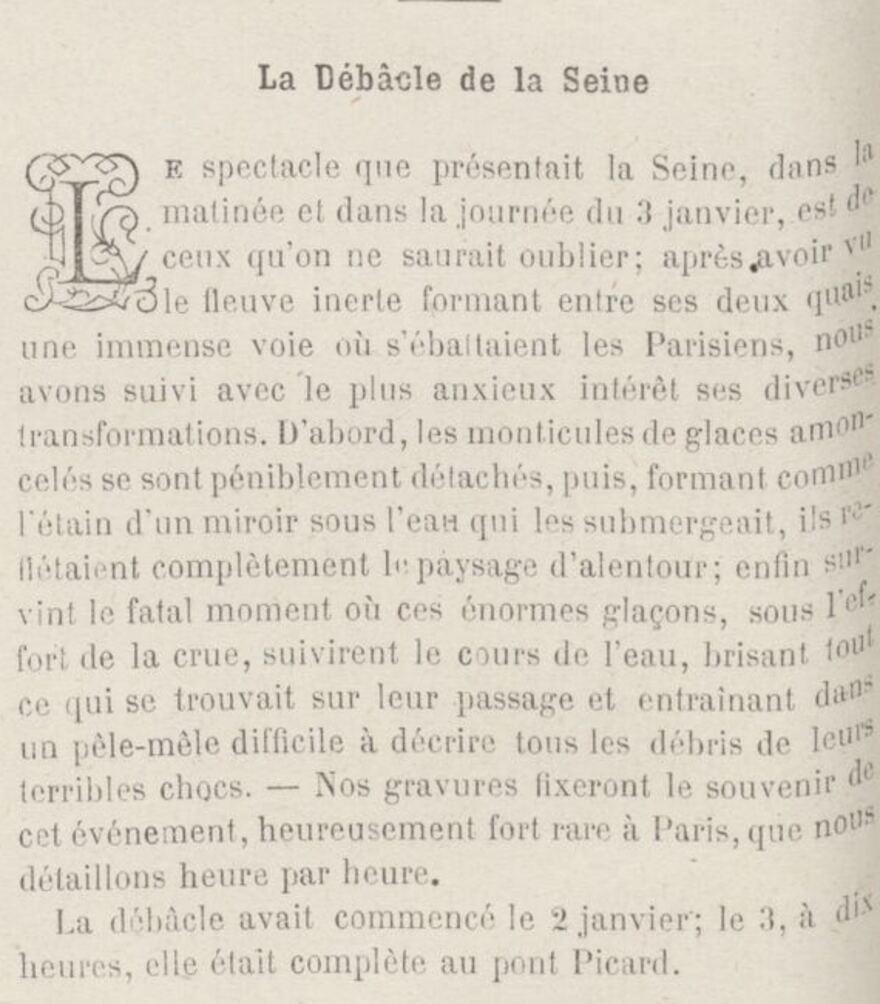
Le Monde illustré, 10 January 1880, page 22
“The break-up had begun on 2 January; on the 3rd, at ten o’clock, it was complete at Pont Picard.”
A label a museum could hang beside it
Claude Monet (1840–1926)
The Break-Up of the Ice, January 1880
Monet painted the break-up of the Seine in January 1880. The month before was the coldest December in the Paris record: an average of −6.6 °C, with −23.9 °C on 10 December, still the station’s lowest reading. It froze for 33 nights in a row. Decembers there now average +5.9 °C. Paris has not reached −10 °C since 1997.
Source: Météo-France daily lowest and highest temperatures, Paris-Montsouris (station 75114001).
Study · John Constable, 21 September 1822
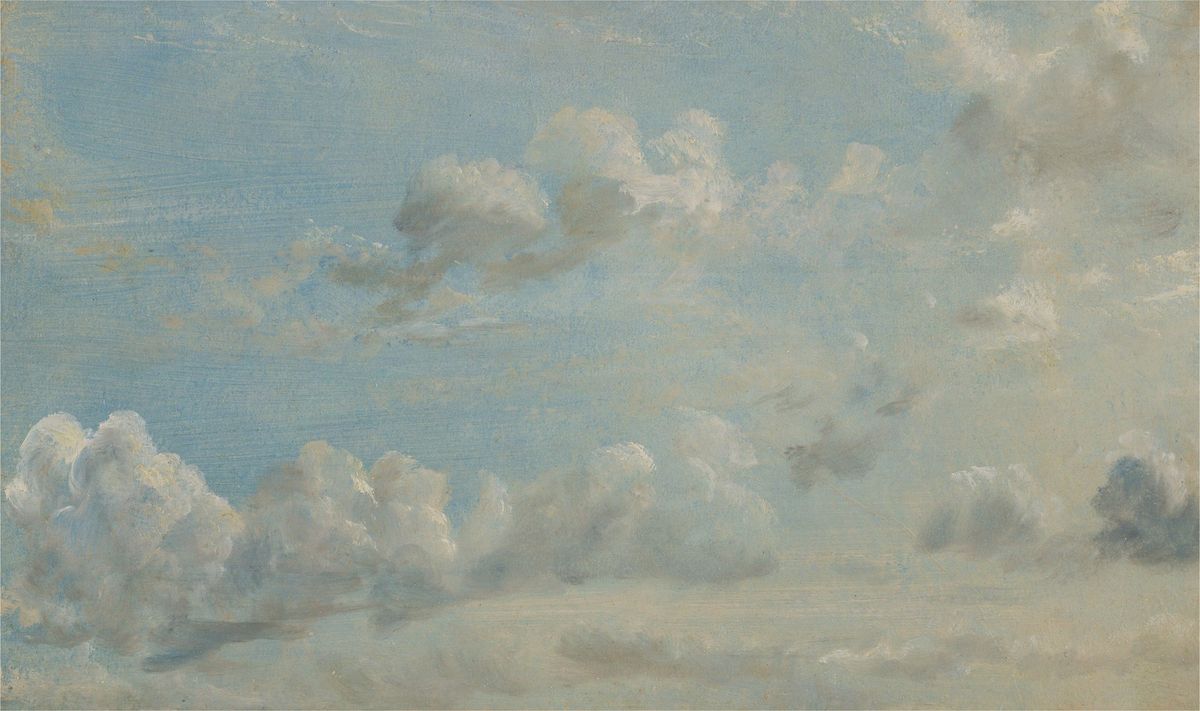
On a Saturday afternoon in September 1822, Constable dated two sky studies ninety minutes apart and wrote the wind on both. Luke Howard’s register noted it too, and a modern reconstruction estimates it.
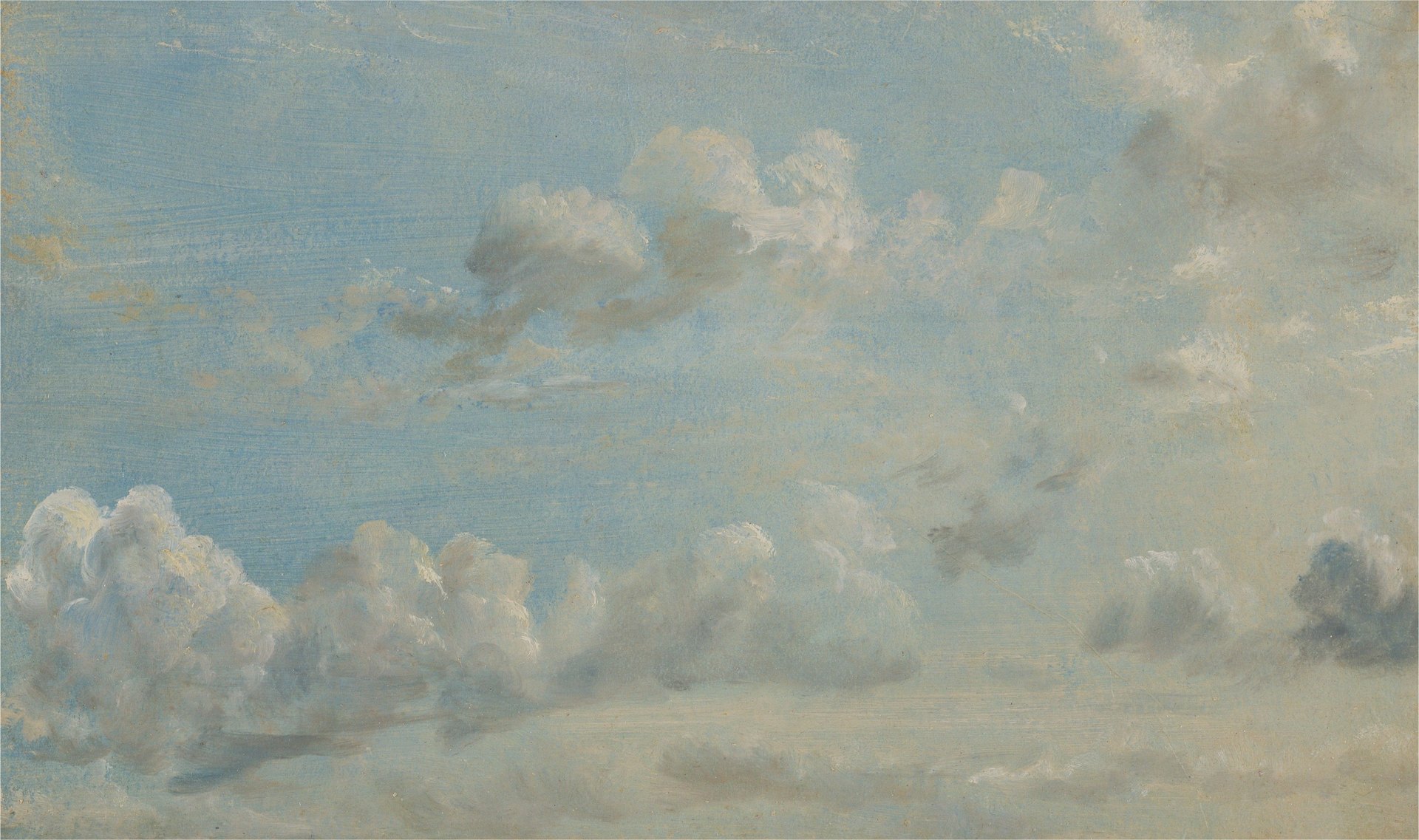
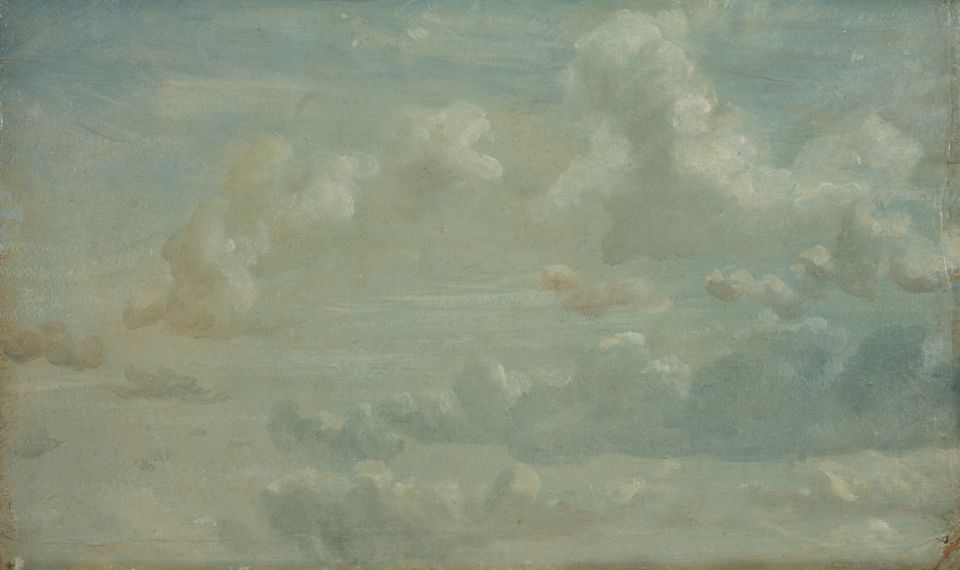
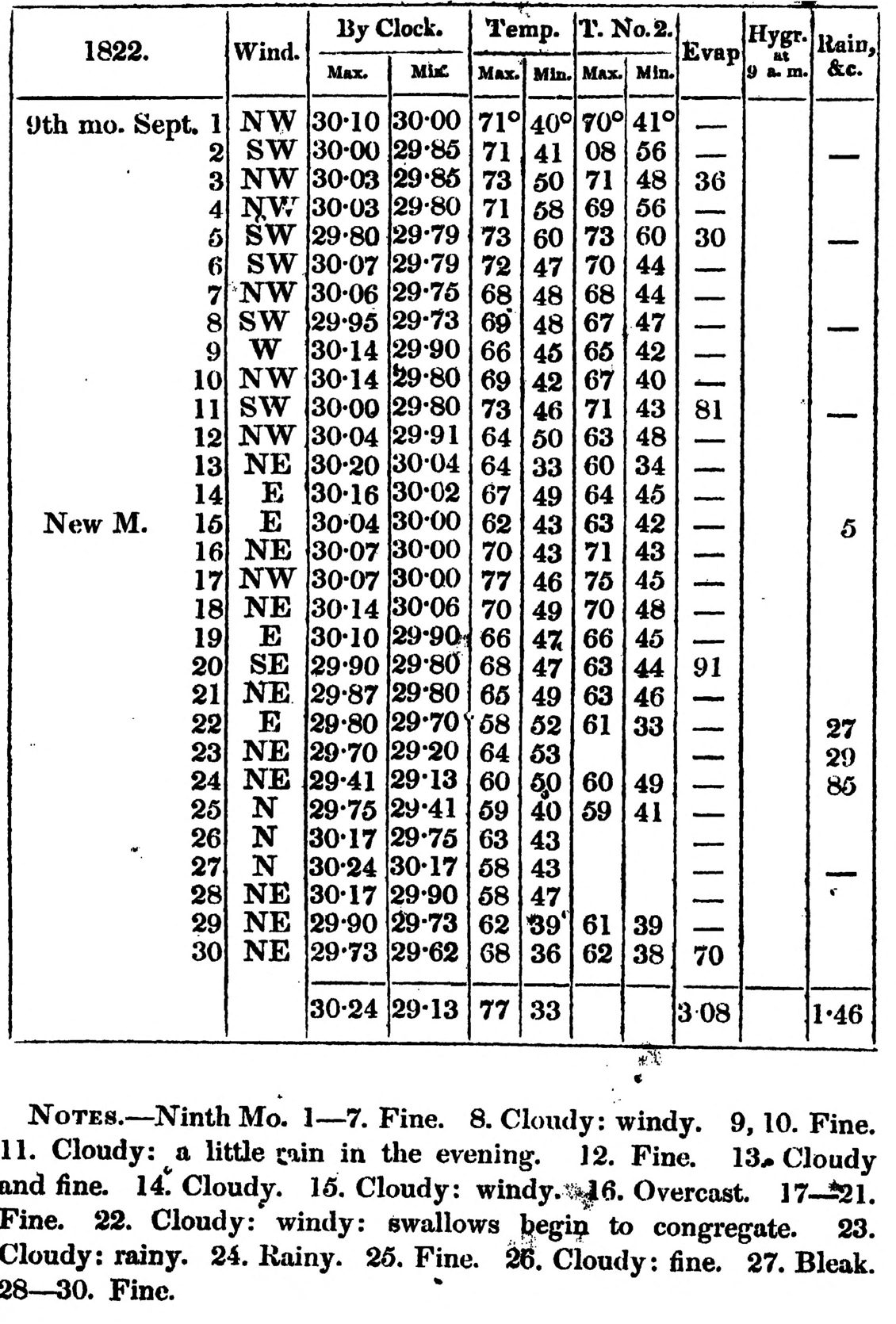
Neighbouring directions from three sources that never met. Close, but not the same, and none was taken at Constable’s spot.
Howard kept a daily weather register near London and published it in The Climate of London (1833). Wind and the first thermometer’s highest and lowest, in °F, transcribed from the page. See the page
Ninth Mo. 1–7. Fine. 8. Cloudy: windy. 9, 10. Fine. 11. Cloudy: a little rain in the evening. 12. Fine. 13. Cloudy and fine. 14. Cloudy. 15. Cloudy: windy. 16. Overcast. 17–21. Fine. 22. Cloudy: windy: swallows begin to congregate. 23. Cloudy: rainy. 24. Rainy. 25. Fine. 26. Cloudy: fine. 27. Bleak. 28–30. Fine.
The Central England Temperature series, a regional Midlands record that runs back to 1772, puts September 1822 at 12.4 °C: the 45th coolest of 254 Septembers. The 21st itself averaged 11.6 °C.
The 1822 study against the Central England recordFrom Turner’s red sky to Homer’s hurricane. Each one is a page you can read, cite and check.
American painters
1892
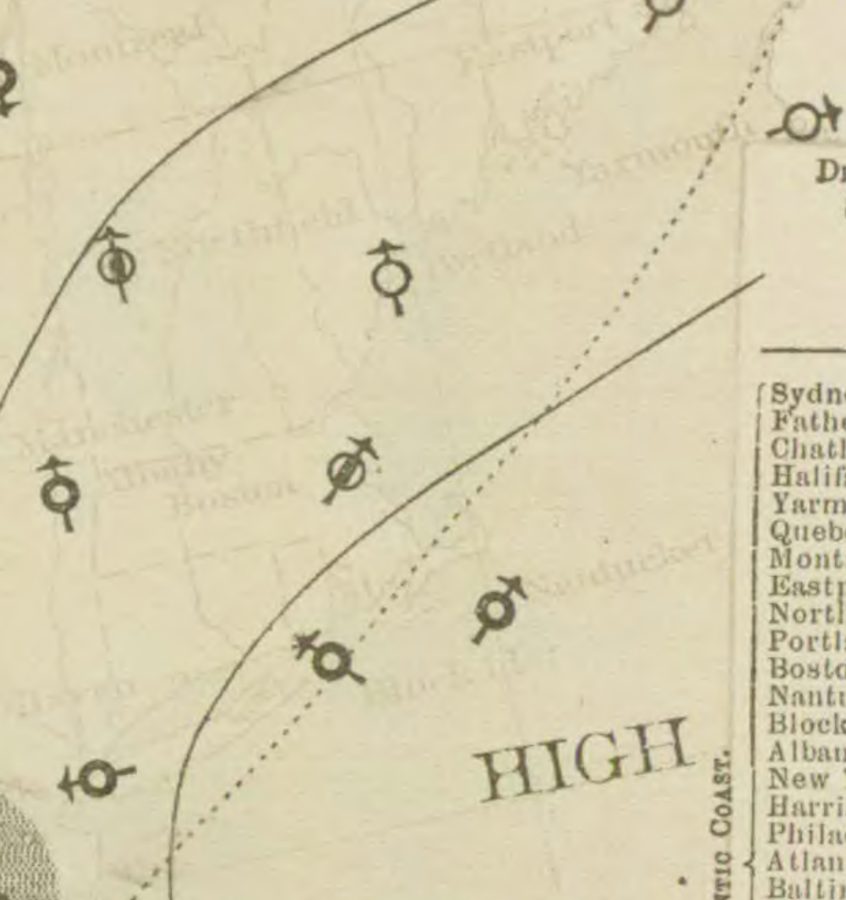
Inscribed on the front in Perry’s hand. The Weather Bureau’s 8 a.m. map puts Block Island, 35 km away, at 44 °F under a clear sky; sunrise at Stonington was 4:29 standard time.
“5am” partially agrees
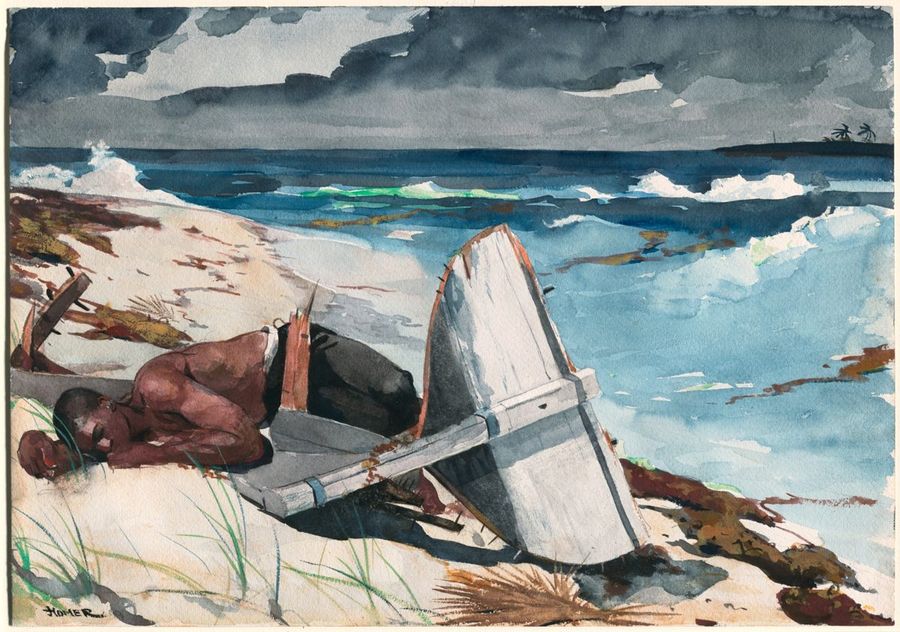
1899
NOAA’s hurricane database records no tropical storm or hurricane in the Atlantic between 4 November 1898 and 26 June 1899, the winter the museum gives for the painting.
Hurricane unknown
c. 1808–1811
Two sketches and an oil, two published readings of how Turner built the atmosphere, and a Nephos reading that depends on both. None establishes a single cause.
Date unknown
1821–1833
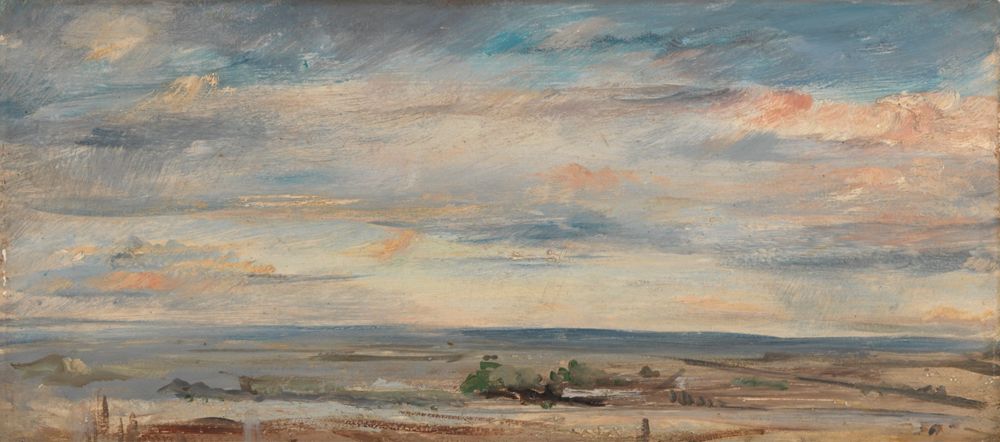
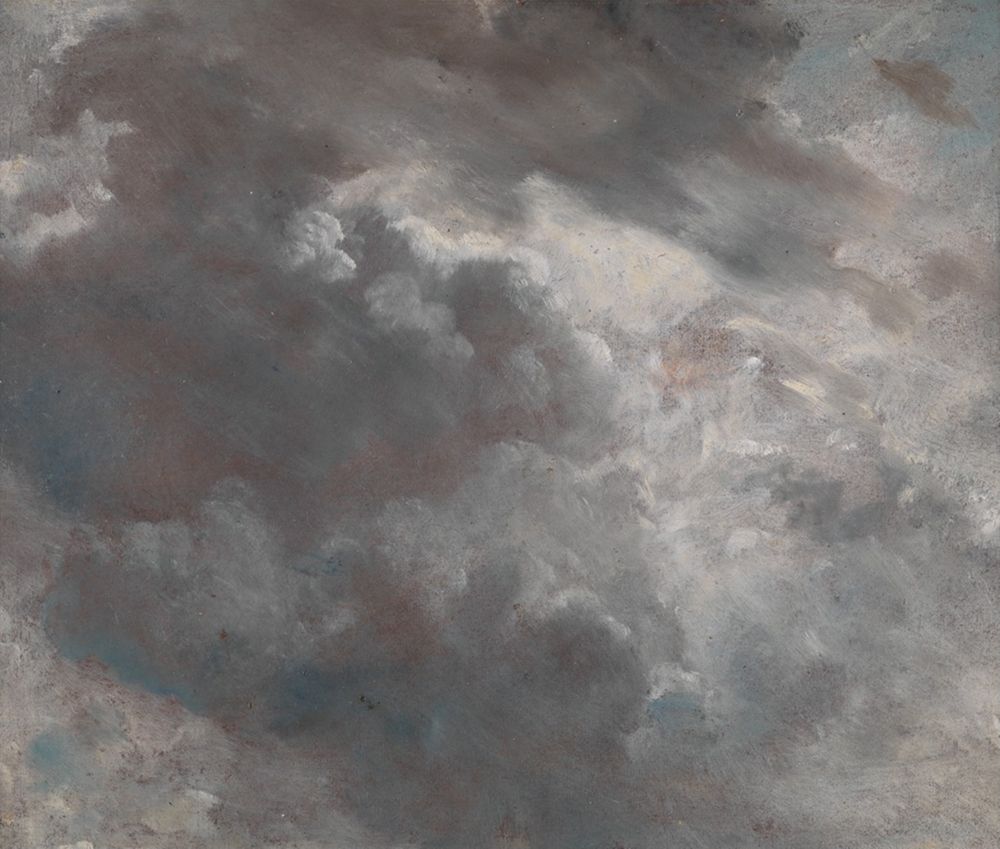
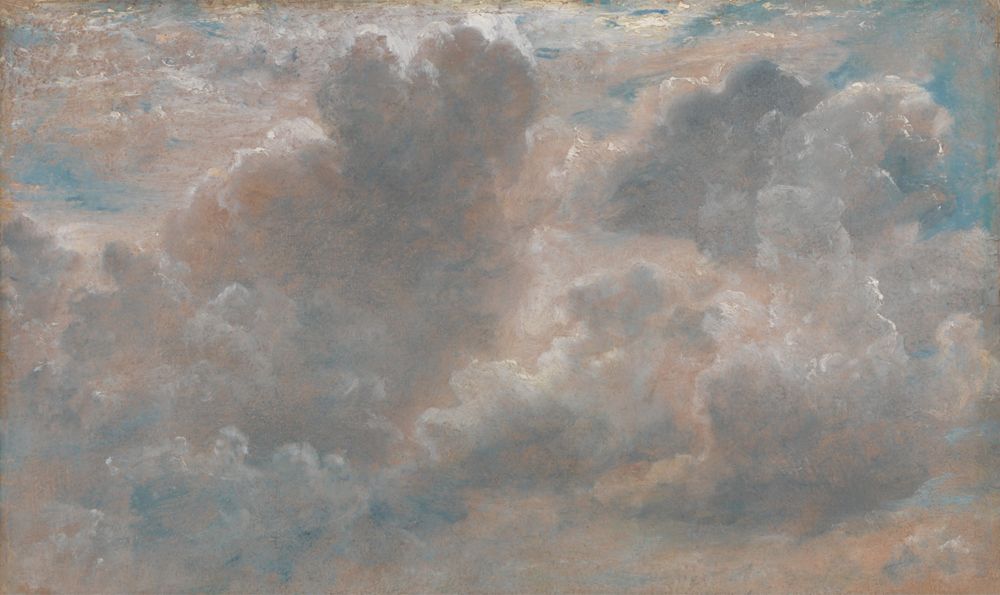
Each carries a date and an hour in Constable’s hand, most of them the weather too. Twelve of his wind directions match Howard’s for the same day or sit in the neighbouring compass sector. One date, “31 Sep.r”, cannot exist.
Partially agreesContradicts ×1
1822
Yale at half past one, the Courtauld at three. Between the two notes the sun drops 9.4° and the model’s cloud stays at 61 to 63 per cent.
Partially agrees
1877
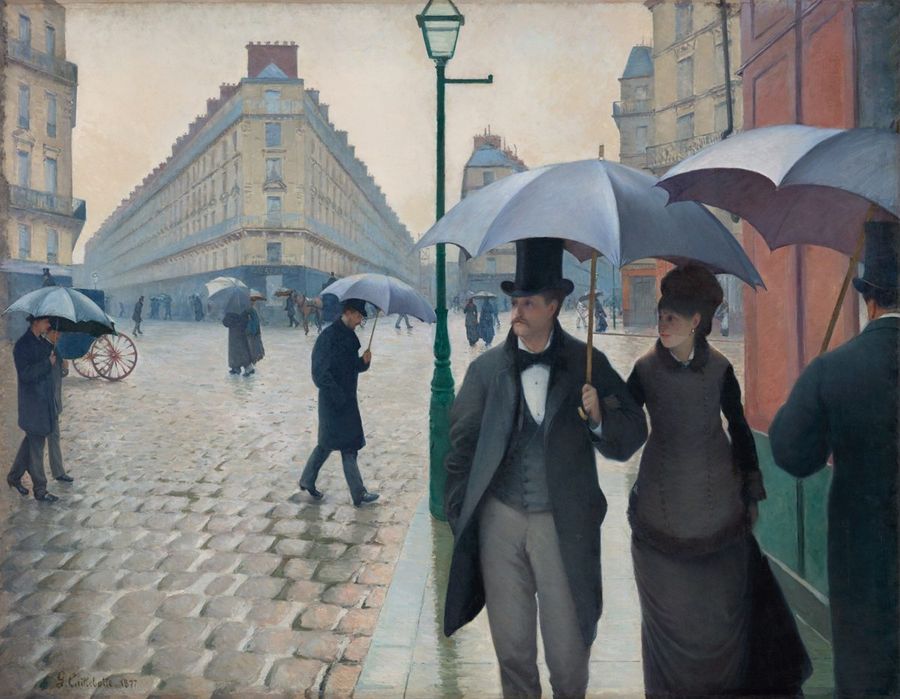
Rain fell at Paris-Montsouris on 65 of the 94 days before the painting was first shown, 40 of them with at least 1 mm. A wet start to 1877, but 13 of 152 years had more days with 1 mm or more.
“Temps de pluie” partially agrees
1879
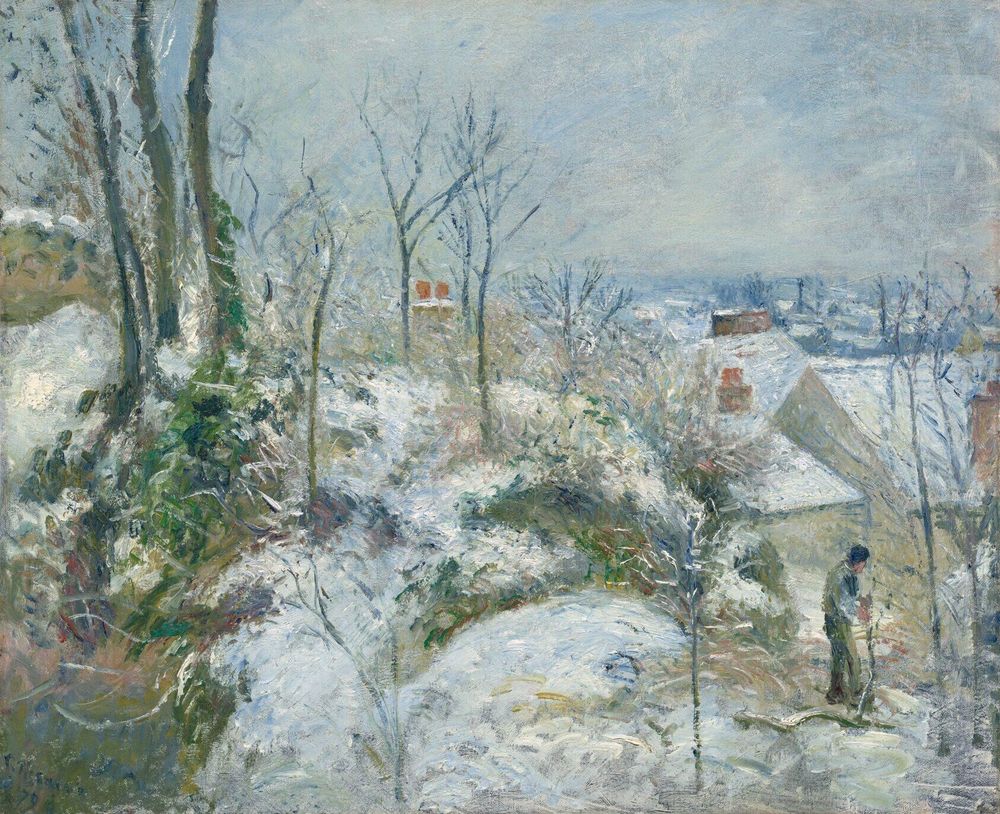
Pontoise’s mayor reported snow blocking travel and cold stopping work, in the coldest December in the Paris record. An 1870 portrait lies under the paint.
Snow in 1879 partially agrees
1880
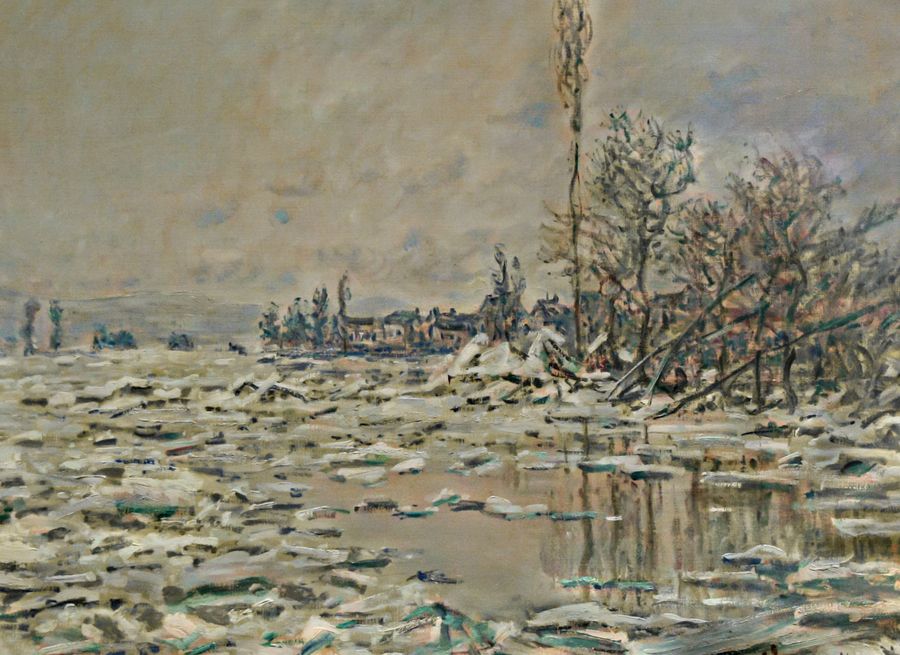
December 1879 averaged −6.6 °C at Paris-Montsouris, the coldest of 154. Two newspapers date the break-up to 2 and 3 January.
Freeze and thaw partially agree
1882
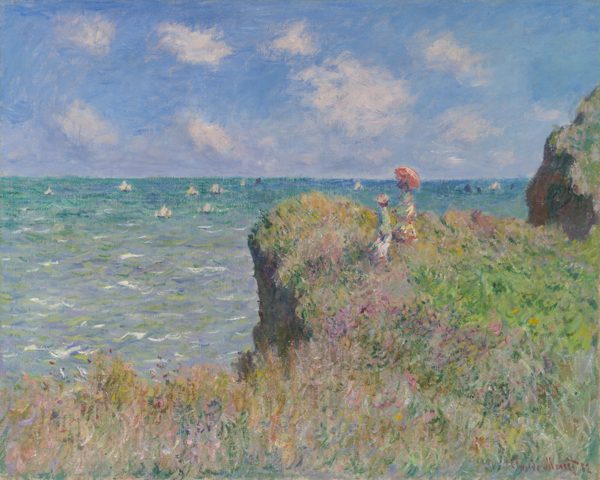
Two stays on the Normandy coast, 201 days of regional rain gauges and modelled wind. The painting day cannot be picked out of them, and the dossier does not try.
Day unknown
1888–1889
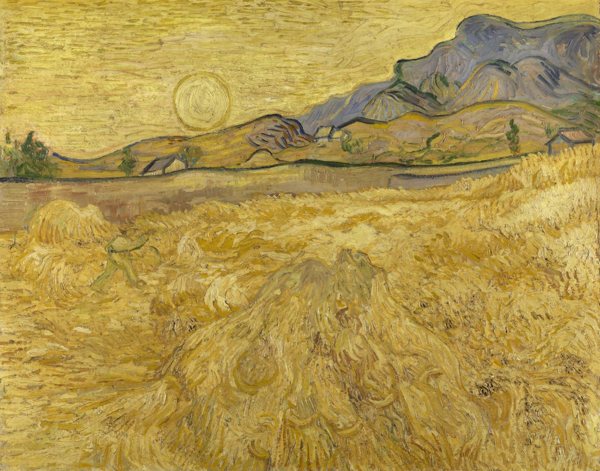
Saint-Rémy’s own rain gauge stayed dry from 5 to 30 September 1889, the weeks he remembered as “days of mistral and rain”.
The rain contradictsMistral partially agrees
1892
The Weather Bureau’s 8 a.m. map puts Block Island, 35 km away, at 44 °F under clear sky. Sunrise at Stonington was 4:29 Eastern Standard Time.
“5am” partially agrees
1899
NOAA’s hurricane database records no tropical storm or hurricane in the Atlantic between 4 November 1898 and 26 June 1899, the winter the museum gives for the painting.
Hurricane unknown
Between 1821 and 1833 Constable wrote the date and hour, and often the weather, on his sky studies. Each note is read against the registers kept on the same days.
The cases where the evidence corrected Nephos, or refused to say more. Each keeps the claim, the pushback and the verdict together.
A machine reading, checked. Howard’s wind for the 21st was first read by text recognition. The page image confirmed NE, which is not Constable’s East, and the verdict was lowered.
58 per cent against 61 ± 33. Paint measured on a photograph is not cloud measured in the sky, however close the numbers.
Two notes by one hand. Yale and the Courtauld agree with each other because Constable wrote both.
“31 September.” The Ashmolean’s sheet names a day that does not exist. The museum’s 1 October is plausible and unproved.
Turner and Tambora. A red sky may follow a volcano. “May” is where the evidence stops.
When the page image changed Howard’s wind from a provisional reading to a checked one, the Yale comparison went from agreement to partial agreement. Both states stay public: the machine record before, the verified record after, and the page image between them.
Corrections and versionsJohn Thornes dated Constable’s cloud studies from historical weather records in the late 1970s and catalogued the skies in John Constable’s Skies (1999); the Yale sheet is his no. 52. Nephos adds a record for every claim that can be cited, corrected and read by machines.
Prior scholarshipPick one. Nephos returns the weather records of its days, a record page your object page can link, and a short piece your museum can publish. Corrections are welcome too.
Enquiry slip
What comes back